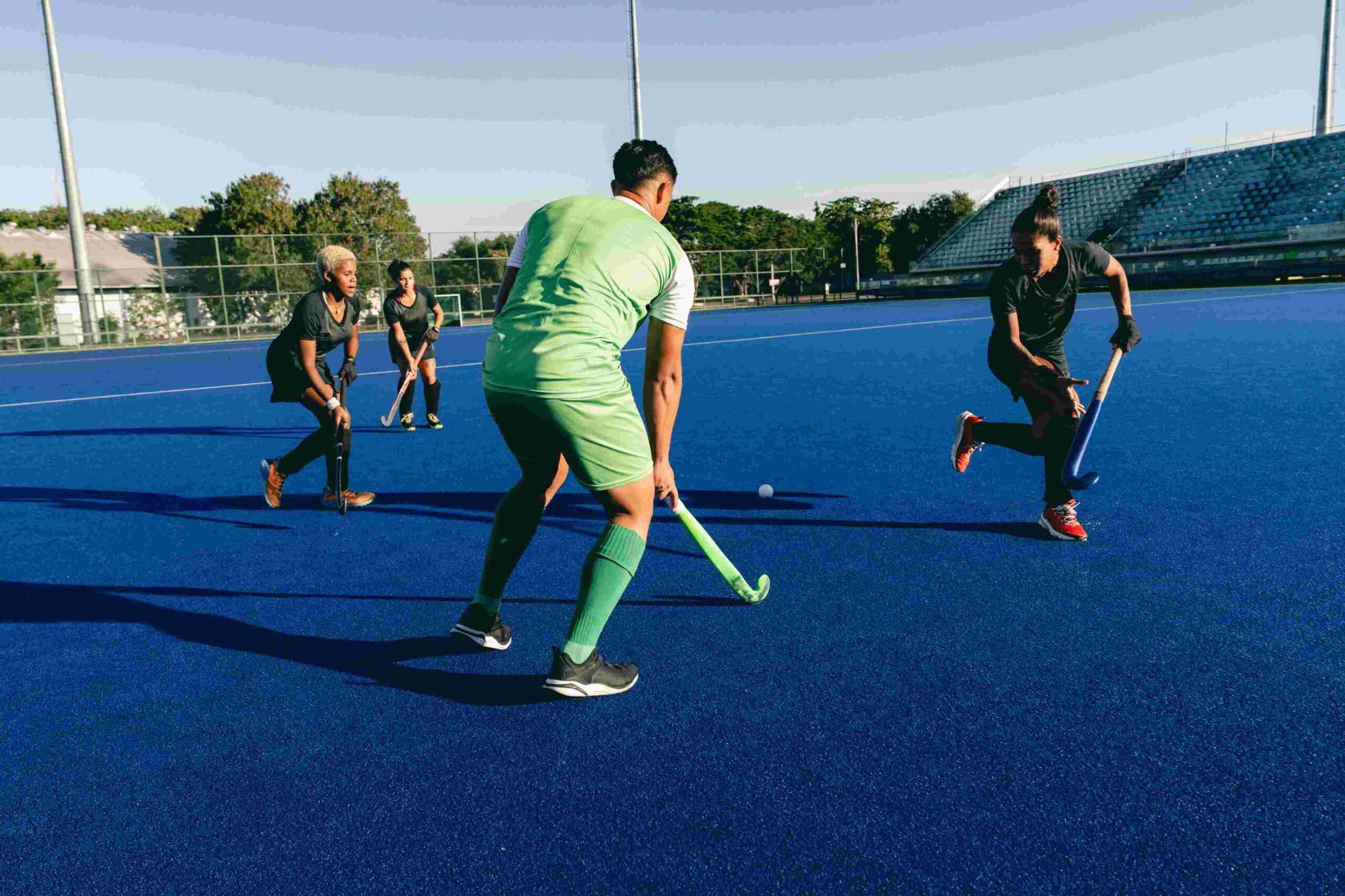
Sports bring people together through shared goals, teamwork, and friendly competition. Whether people play on local teams or support their favorite athletes, sporting experiences help them build lasting connections. Moreover, sports create welcoming spaces where people from different backgrounds can share excitement, respect, and friendship. These moments strengthen relationships and encourage a strong sense of community.
In addition, sports offer more than physical activity and entertainment. They help people feel valued, supported, and connected. From school competitions to international tournaments, shared experiences encourage teamwork and mutual understanding. As a result, sports play an important role in creating a sense of belonging that reaches beyond cultural and social differences.
Understanding the Sense of Belonging in Sports
A sense of belonging develops when people feel accepted, respected, and included in a group. Sports support these feelings by bringing individuals together around common interests. Players share goals, celebrate progress, and help teammates overcome challenges. As a result, these experiences build trust and encourage meaningful relationships.
Moreover, sports allow people to connect without sharing the same language, culture, or personal history. A simple game can create friendships through teamwork and mutual respect. Therefore, sporting activities provide a natural way to develop social bonds and strengthen community connections.
How Teamwork Builds Stronger Social Connections
Teamwork plays a major role in creating positive sporting experiences. Players must communicate clearly, trust one another, and work toward shared goals. Each team member also brings unique strengths that support group success. This shared responsibility helps individuals feel important and valued.
Teamwork also teaches people to respect different opinions and abilities. Players learn to support one another during victories and defeats. As a result, these shared moments strengthen relationships and create a welcoming environment where everyone can develop confidence.
Breaking Cultural Barriers Through Sporting Activities
Sports create opportunities for people from different cultures to connect through shared interests. Athletes and fans often come together despite differences in language, traditions, or backgrounds. Moreover, friendly competition encourages mutual respect and helps individuals appreciate cultural diversity.
For example, international sporting events allow people to experience different customs and traditions. Fans celebrate exciting moments while athletes demonstrate dedication and teamwork. As a result, these interactions can reduce social barriers and promote greater understanding among communities.
Creating Friendships Through Shared Sporting Experiences
Friendship often grows when people participate in activities they enjoy. Sports provide regular opportunities for individuals to meet, communicate, and support one another. Shared training sessions and competitions also help participants build trust through common experiences.
Similarly, sports fans build friendships by supporting teams and athletes. Watching games, discussing performances, and celebrating victories create shared memories. As a result, sporting experiences help people form meaningful relationships that can continue beyond the playing field.
The Role of Community Sports in Social Inclusion
Community sports programs encourage individuals to participate in activities that support social connection. Local clubs, school teams, and recreational leagues bring people together through shared interests. Moreover, these programs can help newcomers meet residents and become active community members.
In addition, inclusive sporting environments welcome participants with different skill levels and abilities. Coaches and organizers can encourage fair participation by creating supportive activities. As a result, community sports can reduce feelings of isolation and help individuals develop a stronger sense of belonging.
How Sports Encourage Respect and Mutual Understanding
Respect forms an important part of positive sporting experiences. Players must follow rules, recognize opponents’ efforts, and compete fairly. These habits also teach valuable lessons about cooperation, patience, and responsible behavior.
Likewise, sports encourage individuals to understand different perspectives. Athletes learn that teammates may approach challenges differently. By listening and working together, they develop stronger relationships. As a result, mutual respect helps create inclusive environments where everyone feels welcome.
Building Confidence Through Group Participation
Participating in sports can improve confidence by helping individuals recognize their abilities and progress. Supportive teammates and coaches encourage players to develop skills and overcome difficulties. Moreover, shared achievements help participants feel proud of their contributions.
At the same time, group participation offers emotional support during challenging moments. Teammates can encourage them after mistakes or disappointing results. As a result, sports help individuals build resilience while strengthening their connection to a supportive group.
How Sporting Traditions Strengthen Community Identity
Sporting traditions bring communities together through shared celebrations and local pride. Annual tournaments, school competitions, and neighborhood games create memorable experiences. These events also encourage families and friends to join in community activities.
In addition, sporting traditions connect different generations through common interests. Parents share memories with children, while longtime fans welcome new supporters. As a result, sports help preserve community identity and build meaningful connections across age groups.
Promoting Emotional Well-Being Through Sports
Positive social relationships play an important role in emotional well-being. Sports provide opportunities to develop these relationships while enjoying physical activity. Moreover, regular participation can reduce feelings of loneliness by creating consistent social interaction.
Similarly, supportive sporting environments allow individuals to express emotions and celebrate achievements with others. Encouragement from teammates can strengthen motivation and personal confidence. As a result, sports support emotional wellness by helping people feel connected, appreciated, and supported.
Making Sports More Accessible and Inclusive
Creating a genuine sense of belonging requires sporting opportunities that welcome everyone. Communities can improve access by offering affordable programs, accessible facilities, and activities for different abilities. Respectful coaching also helps participants feel comfortable and confident.
In addition, organizers should encourage teamwork rather than focus only on winning. Fair participation helps more people enjoy positive sporting experiences. Therefore, inclusive programs help communities build stronger relationships and encourage long-term involvement.