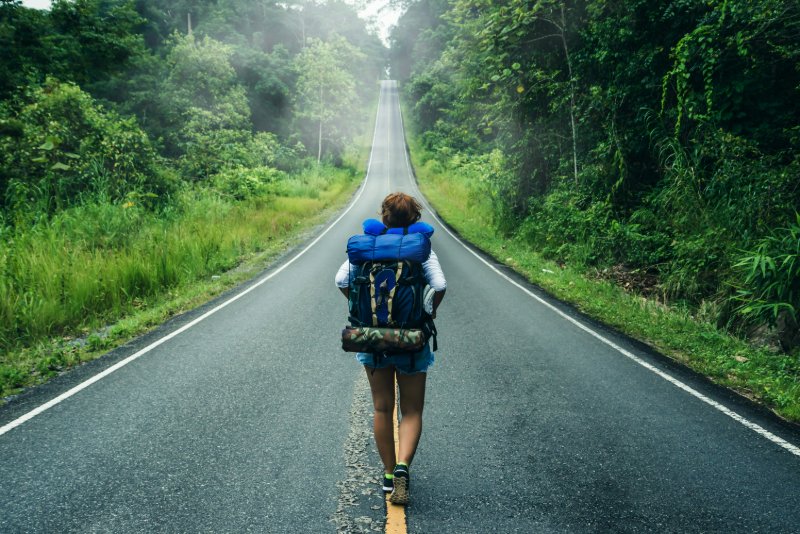
Travel offers more than an opportunity to explore beautiful destinations. It helps people discover different cultures, understand diverse lifestyles, and gain valuable life experiences. From traditional villages to modern cities, every destination reveals unique customs, local traditions, and ways of living. By meeting local people and exploring unfamiliar surroundings, travelers can develop a broader perspective on the world. These experiences encourage personal growth, improve communication skills, and build cultural awareness. Ultimately, travel lets people challenge assumptions, appreciate diversity, and build meaningful connections with communities around the world.
Understanding Local Culture Through Everyday Experiences
One of the most rewarding aspects of travel is learning how people live in different communities. Famous landmarks offer valuable historical context, but everyday activities often reveal a deeper understanding of local culture. Visiting neighborhood markets, observing traditional celebrations, and exploring small communities can reveal how people interact and preserve their customs. These experiences show how history, geography, and shared values influence daily routines. Travelers may discover that some communities prioritize family gatherings, while others emphasize independence and personal achievement. Understanding these differences helps visitors appreciate the many ways people organize their lives.
Participating in local activities makes cultural exploration even more meaningful. Travelers might attend a traditional dance performance, join a cooking class, or learn a local craft from an experienced artist. These activities create opportunities to connect with residents and understand the stories behind their traditions. Instead of simply observing another culture, visitors become active participants in the learning process. They may also discover similarities between unfamiliar customs and their own traditions. Such experiences encourage open-mindedness, strengthen cultural awareness, and help travelers develop greater respect for different communities.
Exploring Food Traditions Around the World
Food is an important part of cultural identity, and exploring local cuisine can reveal fascinating details about a destination. Different regions use ingredients and cooking methods influenced by climate, agriculture, religion, and history. Travelers might enjoy fresh seafood in coastal towns, traditional rice dishes in Asian communities, or handmade pasta in Italian villages. Every meal offers a chance to discover new flavors and understand how local resources shape eating habits. Trying unfamiliar dishes can push people out of their comfort zones and deepen their appreciation for culinary diversity.
Dining traditions also reveal how communities build relationships and express hospitality. In some cultures, families gather around large tables to share meals and discuss their day. In other places, food plays a central role in festivals, religious celebrations, and special occasions. Travelers who observe these customs can better understand the social importance of dining. Learning basic table manners, asking about traditional ingredients, and showing appreciation for local dishes can make these experiences more enjoyable. Through food exploration, visitors discover that meals preserve cultural heritage, strengthen family connections, and bring people together.
Discovering Different Daily Routines and Lifestyles
Travel lets people see how daily routines vary across communities. In large cities, residents may follow busy schedules shaped by work, public transportation, and modern technology. Meanwhile, people in rural areas may organize their days around farming, fishing, or local businesses. These differences reflect geography, employment opportunities, and community needs. By observing everyday life, travelers can better understand how people manage responsibilities, maintain relationships, and make time for personal interests. These experiences offer valuable insights into lifestyles that may differ considerably from their own.
Discovering different routines can encourage travelers to reconsider their habits. Someone accustomed to a demanding work schedule might appreciate a community that values family time and outdoor activities. Another traveler may admire how residents use shared spaces to build stronger neighborhood relationships. However, every lifestyle has its own advantages and challenges. A slower routine doesn’t automatically guarantee happiness, and a busy schedule doesn’t always indicate success. Seeing different ways of life helps people recognize that there are many ways to balance work, relationships, and personal well-being.
Building Connections With People From Different Backgrounds
Meeting people from different backgrounds is one of the most valuable benefits of cultural travel. Conversations with residents, business owners, guides, and fellow visitors can introduce perspectives that challenge familiar assumptions. People may share stories about their childhoods, family traditions, professional experiences, and future goals. These discussions help travelers understand experiences they might never encounter in their own communities. Even when language barriers create difficulties, patience, friendly gestures, and a willingness to listen can support meaningful communication. Every respectful interaction creates an opportunity to learn something new.
These connections can influence how travelers view the world long after their journeys end. A conversation with a local entrepreneur might inspire someone to approach work differently, while an invitation to a family gathering could demonstrate the importance of hospitality. Such encounters can improve communication skills and help people feel more comfortable in unfamiliar situations. Travelers should also remember that one person cannot represent an entire culture. By listening without judgment and avoiding stereotypes, visitors can develop genuine relationships and strengthen mutual understanding across cultural boundaries.
Learning Different Ideas About Happiness and Success
Every community develops its own understanding of happiness, success, and a meaningful life. Some cultures emphasize professional achievement, financial independence, and personal ambition. Others prioritize family relationships, community involvement, spiritual practices, or time spent in nature. Traveling exposes people to these different values and encourages them to reflect on their own priorities. Attending a community celebration may reveal the importance of social connections, while visiting a rural destination can demonstrate how people find satisfaction in outdoor activities and simple daily routines.
These experiences may inspire positive changes in a traveler’s personal life. Someone might return home with a stronger desire to spend time with family, support local businesses, or maintain a healthier work-life balance. Others may feel motivated to explore new interests, learn unfamiliar skills, or become more involved in their communities. The purpose is not to abandon personal beliefs or copy another person’s lifestyle. Instead, travelers can identify useful lessons and apply them in ways that suit their circumstances. Exploring different ideas about happiness helps people develop a balanced perspective and recognize that success can take many forms.
Practicing Responsible and Respectful Travel
Responsible travel helps create positive experiences for visitors and local communities. Travelers should learn about local customs before arriving, follow appropriate dress expectations, and ask permission before photographing people. Supporting locally owned restaurants, markets, and tour services can help communities benefit economically from tourism. Visitors should also reduce waste, respect wildlife, and avoid activities that damage cultural landmarks or natural environments. These choices help protect the destinations that attract travelers while demonstrating respect for the people who live there.
Respectful travel also requires curiosity, patience, and an open mind. Visitors may encounter customs or social expectations that differ from their personal beliefs. Rather than making quick judgments, they can ask thoughtful questions and learn about the historical or cultural reasons behind unfamiliar practices. Understanding does not require agreeing with every viewpoint, but it does require treating others fairly. When travelers approach new experiences with humility, they create better opportunities for cultural exchange and help preserve the traditions that make each destination unique.
Let Every Journey Expand Your World
Travel helps people discover different ways of life and understand the world beyond their familiar surroundings. From local cuisine and daily routines to cultural traditions and personal values, every destination offers opportunities for learning and personal growth. Meaningful conversations and respectful interactions can improve communication skills, increase cultural awareness, and challenge assumptions. These benefits often last longer than a trip because they influence how travelers understand and appreciate others.
Ultimately, travel encourages people to remain curious, open-minded, and respectful of cultural diversity. Whether visiting a nearby community or exploring a distant country, travelers can gain valuable insights by connecting with residents and observing everyday life. With responsible choices and a willingness to learn, every journey can create lasting memories, strengthen relationships, and broaden perspective. By embracing different experiences, people can better appreciate the diverse communities and shared human values that connect us all.