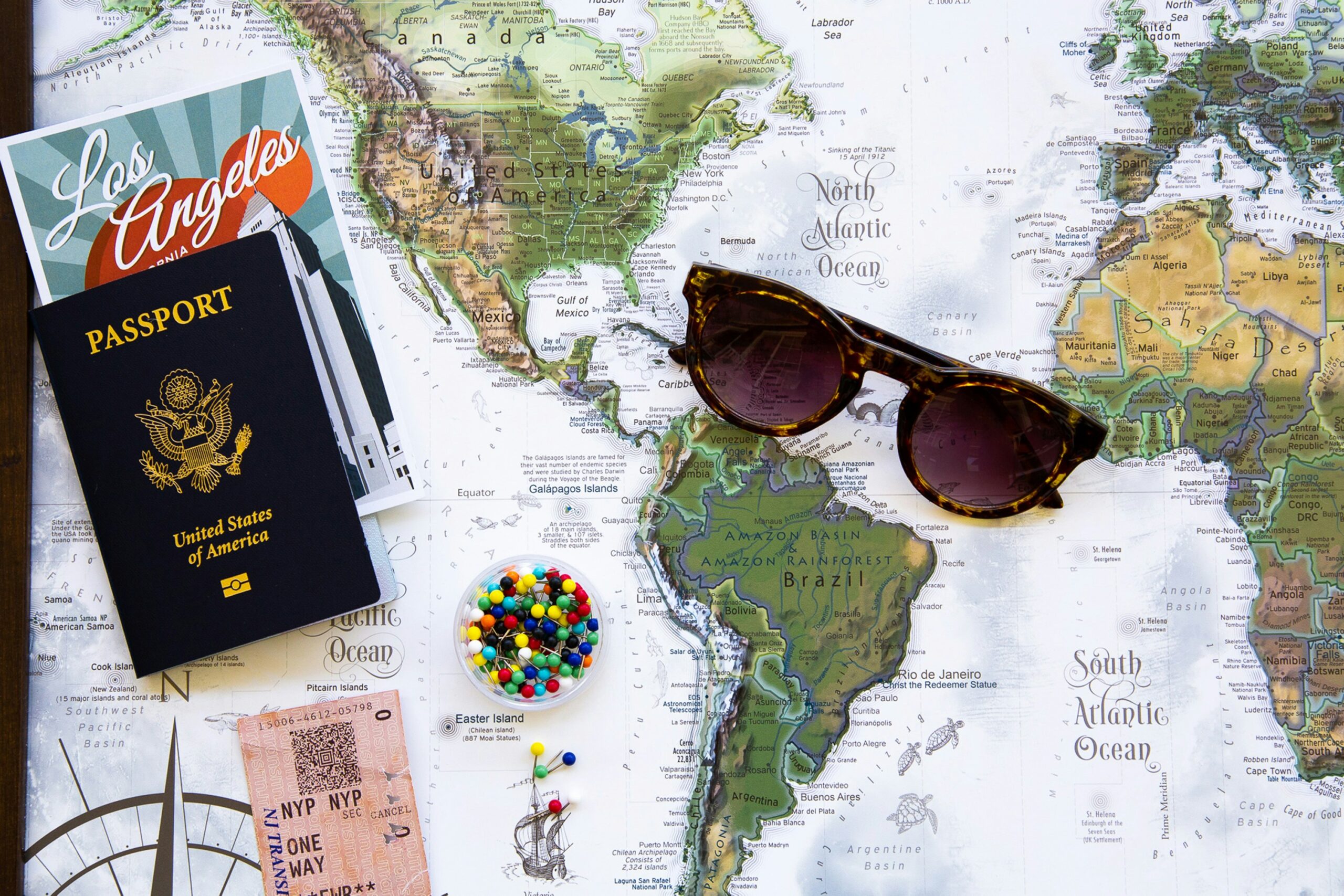
Global travel experiences play a powerful role in shaping how individuals understand the world beyond their immediate surroundings. When people travel to new destinations, they are exposed to different environments, cultures, and ways of life that naturally challenge their existing viewpoints. As a result, travel becomes more than just visiting new places; it becomes a process of expanding awareness and developing a more global mindset. This transformation often begins the moment a traveler steps outside their familiar environment and starts observing how differently life can be lived in other parts of the world.
Moreover, traveling introduces a continuous learning experience that cannot be fully replicated through digital media or classroom education. Every destination carries its own cultural identity, historical background, and social structure. Therefore, global travel experiences encourage individuals to think more broadly and critically about the world. In addition, this exposure helps people appreciate diversity and complexity, ultimately leading to a stronger sense of curiosity and intellectual growth that extends far beyond the journey itself.
Immersing in New Cultures and Everyday Life
One of the most powerful aspects of travel is cultural immersion, which allows individuals to experience life from perspectives they may have never encountered before. When travelers actively engage with local traditions, languages, and daily routines, they begin to understand that no single way of living defines normalcy. Moreover, something as simple as sharing a local meal, attending a traditional event, or observing community interactions can reveal deep insights into how societies function and maintain their identity.
In addition, cultural immersion helps travelers move beyond surface-level tourism and develop a more meaningful connection with the places they visit. Instead of simply viewing landmarks, they begin to appreciate the stories, values, and historical influences behind them. Consequently, this deeper engagement fosters respect for cultural diversity and strengthens emotional understanding. Over time, these experiences reshape how individuals perceive unfamiliar cultures, making them more open-minded and globally aware.
Challenging Personal Assumptions Through Experience
Travel often serves as a mirror that reflects and challenges personal beliefs and assumptions. When individuals encounter unfamiliar customs, communication styles, or social norms, they may initially feel uncertain or uncomfortable. However, this discomfort is not negative; rather, it acts as a catalyst for personal growth. It encourages travelers to question what they have always considered standard and to recognize that their perspective is only one of many valid interpretations of life.
Furthermore, as travelers continue to navigate different environments, they develop a stronger sense of adaptability and awareness. They begin to realize that cultural differences are not limitations but rather variations that enrich human experience. Over time, this understanding reduces judgment and increases acceptance. Ultimately, travel reshapes thinking patterns, allowing individuals to approach life with greater openness, patience, and intellectual flexibility.
Building Empathy Through Human Connections
Another meaningful outcome of travel is the development of empathy through human interaction. Even brief conversations with locals, service providers, or fellow travelers can create powerful emotional connections. These interactions often reveal shared human experiences such as family values, personal struggles, aspirations, and joys. As a result, travelers begin to understand that despite cultural differences, human emotions remain universally similar.
In addition, these connections deepen emotional intelligence by allowing individuals to see life from multiple viewpoints. Listening to personal stories or witnessing everyday challenges in different communities encourages compassion and understanding. Therefore, empathy gained through travel often extends beyond the journey itself and influences how individuals relate to people in their home environment. This emotional growth becomes a lasting benefit that strengthens both personal relationships and social awareness.
Learning Flexibility and Adaptability on the Road
Travel is inherently unpredictable, which makes it an excellent teacher of flexibility and adaptability. From transportation delays and language barriers to sudden weather changes or unfamiliar systems, travelers constantly encounter situations that require quick thinking and adjustment. Although these moments can be stressful, they also provide valuable opportunities to develop resilience and problem-solving skills.
Moreover, adapting to new environments builds confidence in handling uncertainty. Travelers gradually learn that not everything can be controlled or planned perfectly, and that flexibility often leads to better outcomes. This mindset becomes highly beneficial beyond travel, as it helps individuals navigate challenges in work, education, and daily life. Consequently, adaptability gained through travel becomes a long-term life skill that strengthens personal growth and decision-making abilities.
Returning Home with a Transformed Global Perspective and Lasting Travel Impact
Returning home after meaningful travel often brings a noticeable shift in perception. Familiar surroundings may appear more appreciated, not because they have changed, but because the traveler has changed internally. This transformation is one of the most significant outcomes of global travel experiences, as it allows individuals to see their own culture, habits, and lifestyle with renewed clarity and gratitude.
Furthermore, the influence of travel continues long after the journey ends. People often return with a stronger sense of curiosity, greater tolerance for differences, and a deeper appreciation for diversity. In addition, they may adopt new habits, perspectives, or ways of thinking that reflect their experiences abroad. Ultimately, traveling broadens perspectives far beyond physical destinations, creating a lasting impact on mindset, emotional intelligence, and worldview that continues to shape how individuals interact with the world every day.